





Everywhere you look, athletes are pushing limits—and so are scientists. There’s a growing interest in how peptides like BPC-157 and TB-500 might influence recovery, muscle repair, and joint health in research settings. While peptides aren’t a magic bullet, researchers are diving into how these compounds may support healing pathways. Nexos Pharma provides these peptides for research only—they’re not for personal use or human consumption. Curious about what the research community is uncovering? Keep an eye on the latest findings—it’s an exciting time in sports science.
The Post-Workout Struggle is Real
Imagine this: You’ve just crushed a grueling workout—weights clanged, sweat poured, and your muscles are screaming in protest. The next day, you’re walking like a newborn deer, questioning your life choices. Sound familiar? For many fitness enthusiasts, delayed onset muscle soreness (DOMS) is a badge of honor, but it can also be a significant hurdle in maintaining a consistent training regimen.
Enter peptides—a topic that’s been generating buzz in the fitness community. But can these tiny chains of amino acids genuinely aid in muscle recovery, or is it all just hype? Let’s delve into the science and see what researchers are uncovering.
What Are Peptides, Anyway?

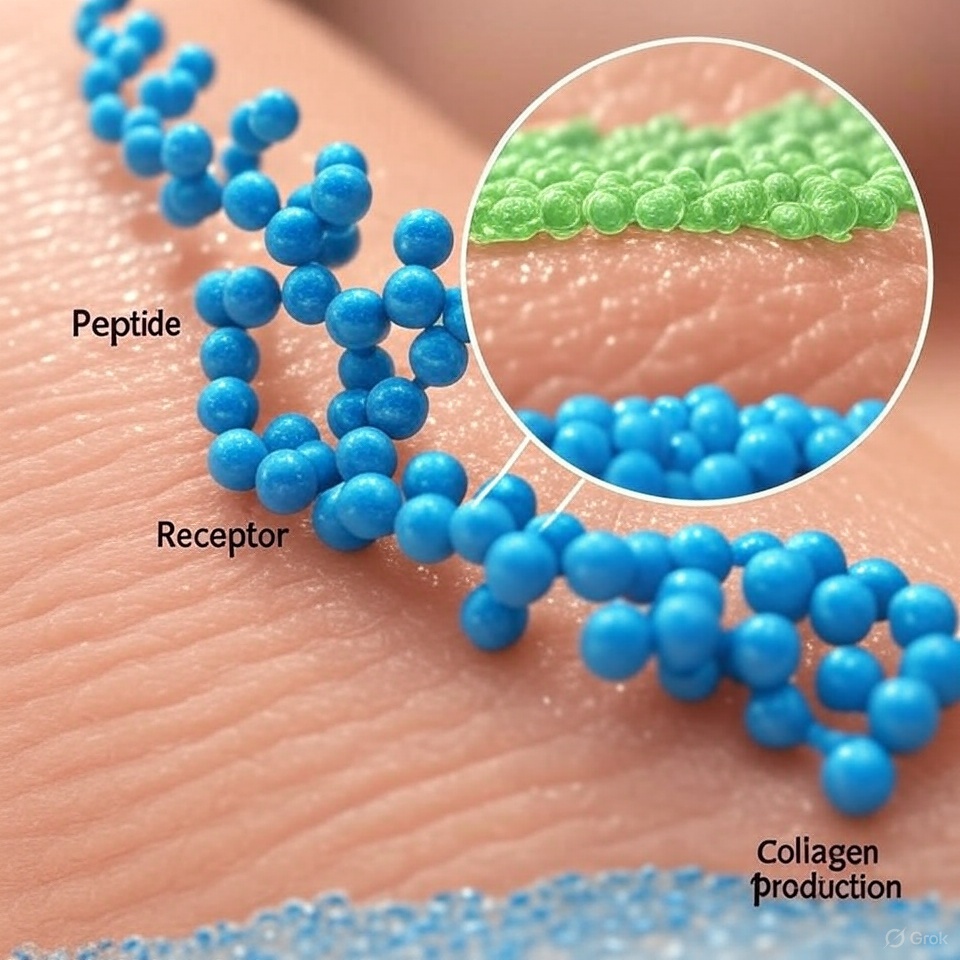
Peptides are short chains of amino acids, the building blocks of proteins. They play crucial roles in various biological functions, including hormone production, immune responses, and tissue repair. In the context of fitness and recovery, certain peptides are being studied for their potential to accelerate muscle healing, reduce inflammation, and enhance overall recovery post-exercise.RYZE
The Science Behind Peptides and Recovery
Collagen Peptides: Not Just for Skin
While collagen is often associated with skin health, recent studies suggest that collagen peptides may also support muscle recovery. A randomized controlled trial found that participants who supplemented with specific collagen peptides during a 12-week training program experienced significant improvements in strength and reduced markers of muscle damage compared to a placebo group. PubMed+1PMC+1
BPC-157: The “Body Protection Compound”
BPC-157 is a synthetic peptide derived from a protein found in the stomach. Animal studies have shown promising results in terms of tissue repair and anti-inflammatory effects. While human studies are limited, anecdotal reports and preliminary research suggest potential benefits for muscle and tendon healing. Secrets Aesthetics and Wellness Center
Growth Hormone Secretagogues: Stimulating Recovery
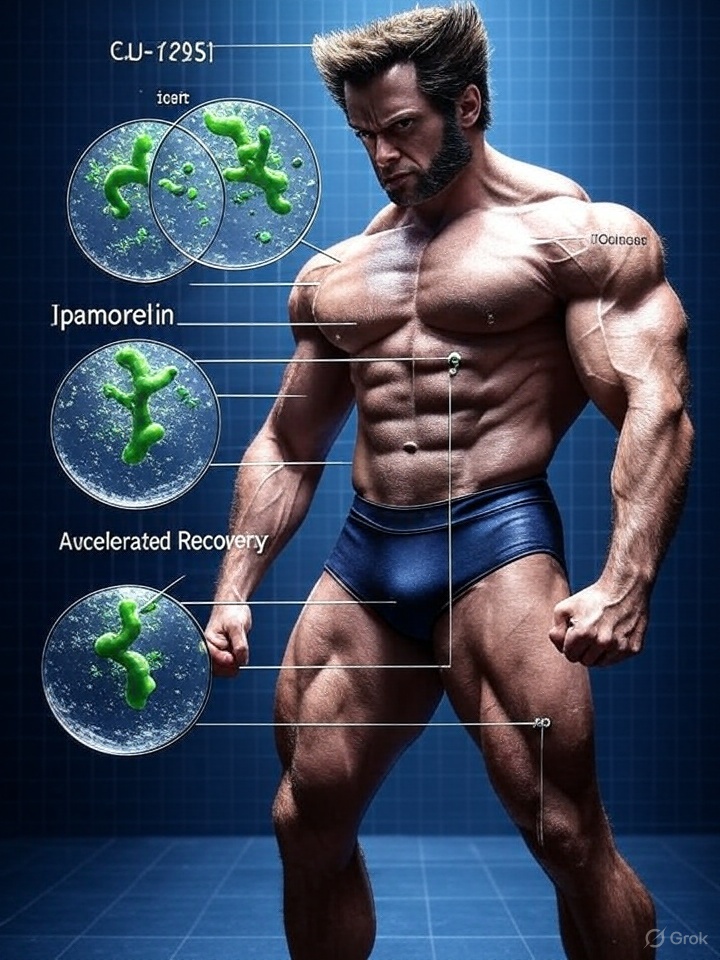
Peptides like GHRP-6 and Ipamorelin are known as growth hormone secretagogues. They stimulate the body’s natural production of growth hormone, which plays a vital role in muscle growth and repair. By enhancing growth hormone levels, these peptides may aid in faster recovery and improved muscle performance.Wikipedia
Real-World Applications and Anecdotes
The fitness world is no stranger to trends, and peptides have caught the attention of athletes and celebrities alike. For instance, some high-profile individuals have reportedly used peptides to aid in recovery and performance enhancement. While these anecdotes are intriguing, it’s essential to approach them with a critical eye and rely on scientific evidence.
Safety and Legal Considerations

While the potential benefits of peptides are exciting, it’s crucial to consider safety and legality. Many peptides are still under research and are not approved by regulatory bodies like the FDA for medical use. Additionally, the quality and purity of peptide supplements can vary, making it essential to source them from reputable suppliers.Sports Injury Physio
Athletes should also be aware of the regulations set by their respective sports organizations, as some peptides may be on the list of prohibited substances.
The Bottom Line
Peptides present a promising frontier in the quest for improved muscle recovery and performance. Scientific studies, particularly on collagen peptides and growth hormone secretagogues, indicate potential benefits in reducing muscle soreness and enhancing recovery. However, the research is still evolving, and more extensive human trials are needed to fully understand their efficacy and safety.
For fitness enthusiasts considering peptides, it’s imperative to consult with healthcare professionals and stay informed about the latest research and regulations. While peptides may offer an edge in recovery, they should complement, not replace, proven recovery strategies like proper nutrition, hydration, sleep, and structured training programs.
Note: This article is for informational purposes only and does not constitute medical advice. Always consult with a healthcare professional before starting any new supplement or therapy.