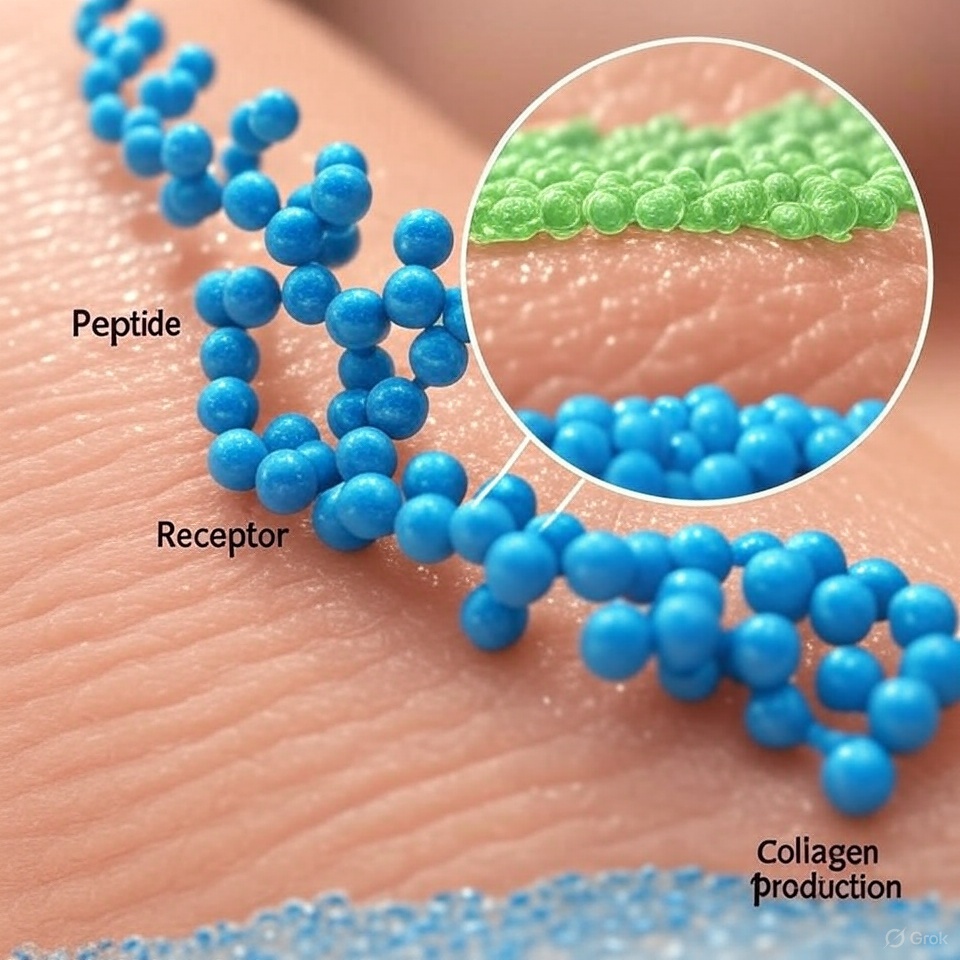






Retatrutide (LY‑3437943) is a first-in-class, once-weekly injectable peptide developed by Eli Lilly. It acts as a triple receptor agonist targeting:
-
GLP‑1 (glucagon-like peptide‑1)
-
GIP (glucose-dependent insulinotropic polypeptide)
-
Glucagon (GCGR) codapa.org+15en.wikipedia.org+15nypost.com+15nypost.com+4pmc.ncbi.nlm.nih.gov+4pubmed.ncbi.nlm.nih.gov+4
This multitargeted approach combines effects seen with semaglutide and tirzepatide, but adds glucagon pathway activation—potentially offering both appetite suppression and enhanced calorie burning nypost.com+6en.wikipedia.org+6businessinsider.com+6.
Discovery & Molecular Roots
-
Peptide evolution: Building on GLP‑1 mono-agonists (like exenatide in 2005), dual-agonists (e.g., tirzepatide), Lilly’s goal was to push beyond via triple receptor activity nejm.org+10pmc.ncbi.nlm.nih.gov+10en.wikipedia.org+10.
-
Molecular structure: Retatrutide is a peptide conjugated to a fatty diacid for extended action, enabling weekly dosing onlinelibrary.wiley.com+15nejm.org+15businessinsider.com+15.
-
Cryo-EM studies have visualized it binding all three target receptors, providing mechanistic proof for its multi-hormone activity nypost.com+15nature.com+15en.wikipedia.org+15.
Clinical Results: From Trials to Reality

Promising Early Data
-
Phase I/II findings from NEJM showed up to 17.5% average weight loss at 24 weeks with the highest dose (12 mg), and improvements in HbA₁c in T2DM patients nature.com+2en.wikipedia.org+2ru.wikipedia.org+2.
-
Recent placebo-controlled studies in T2DM support significant metabolic boosts and gut-mobility benefits via delayed gastric emptying .
Unmatched Fat Reduction

-
A Lancet substudy revealed 24–26% body weight loss at 48 weeks for the 12 mg dose—with visceral and subcutaneous fat losses up to ~48%, and strong correlations with liver fat reductions and insulin resistance improvements nature.com.
Biomarker Benefits
Participants also saw:
-
↓ Triglycerides (~40%)
-
↓ C-peptide (~50%)
-
↓ HOMA-IR (~70%)
-
↑ Adiponectin & ↓ Leptin
-
Improved liver enzyme profiles and markers of liver health (Wikipedia)
Safety & Side Effects
-
Profile is comparable to GLP‑1 therapies: mild-to-moderate GI symptoms at higher doses.
-
A few serious events (2.5%) reported at 8–12 mg doses; ongoing trials (TRIUMPH) will clarify longer-term safety en.wikipedia.org+5nature.com+5pubmed.ncbi.nlm.nih.gov+5.
Celebrity & Real-World Buzz

Though major celebrities haven’t publicly endorsed retatrutide (yet), patient-series like one involving Diane Schram, a 64-year-old ex-Ozempic user, are emerging. Diane reportedly lost visceral fat and maintained muscle, largely due to retatrutide’s unique profile pharmacytimes.com+15thetimes.co.uk+15thesun.co.uk+15.
Media coverage highlights its status as “Ozempic 3.0” or “triple G”—signaling unmatched fat loss, metabolic benefits, and a need for access post-phase III in 2026 nypost.com.
How It Works: Science Behind the Hype
1. GLP-1 activation
Suppresses appetite, improves insulin secretion, slows gastric emptying.
2. GIP activation
Boosts insulin release and potentially enhances fat metabolism.
3. Glucagon activation
Increases energy expenditure—essentially prompting calorie burning through fat oxidation pmc.ncbi.nlm.nih.gov.
Synergy in Motion
This tri-agonist design translates into dual pathways: suppressing hunger and increasing metabolic rate—a combination rare in current therapies en.wikipedia.org+1sciencedirect.com+1.
Broader Implications: Diabetes, NAFLD & Beyond
-
Type 2 Diabetes: Early T2DM data shows HbA₁c improvements and metabolic stabilization .
-
Non-Alcoholic Fatty Liver Disease (NAFLD/MASLD): Evidence shows liver fat drop (~40%+), with biomarker improvements like ALT, C-peptide nature.com.
-
Obesity epidemic: Phase III trials aim to expand findings into broader obesity care (TRIUMPH, other metabolic disorder studies) .
What Sets Retatrutide Apart
-
Exceptional weight loss (20–26%) rivals bariatric surgery.
-
Meticulous fat targeting, including visceral and liver fat reduction.
-
Muscle-preserving profile, addressing concerns of muscle loss during rapid weight loss consumer.ftc.gov+15businessinsider.com+15nypost.com+15pubmed.ncbi.nlm.nih.gov+3nature.com+3nypost.com+3.
-
Optimized dosing schedule with once-weekly administration.
What Comes Next
-
Phase III trials running through 2026 will clarify long-term safety, rarity side effects, and broad efficacy.
-
FDA approval timeline currently projected for 2026–2027 pharmacytimes.com+9businessinsider.com+9acpjournals.org+9.
-
Planned expansions into cardiovascular health, renal disease, and liver conditions.
-
Economic impact under scrutiny—premium pricing may limit access despite unmatched benefits.
The rise of retatrutide marks a turning point. Not just a weight-loss tool, but a comprehensive metabolic modulator with wide therapeutic possibilities. It’s generating excitement among researchers, clinicians, and early adopters—and with robust Phase III data nearing completion, the world is watching to see whether this peptide lives up to its promise as a medical game-changer.